
“Jointed Structure Display Shelf: Architectural Philosophy and Elegant Life in a Small Space
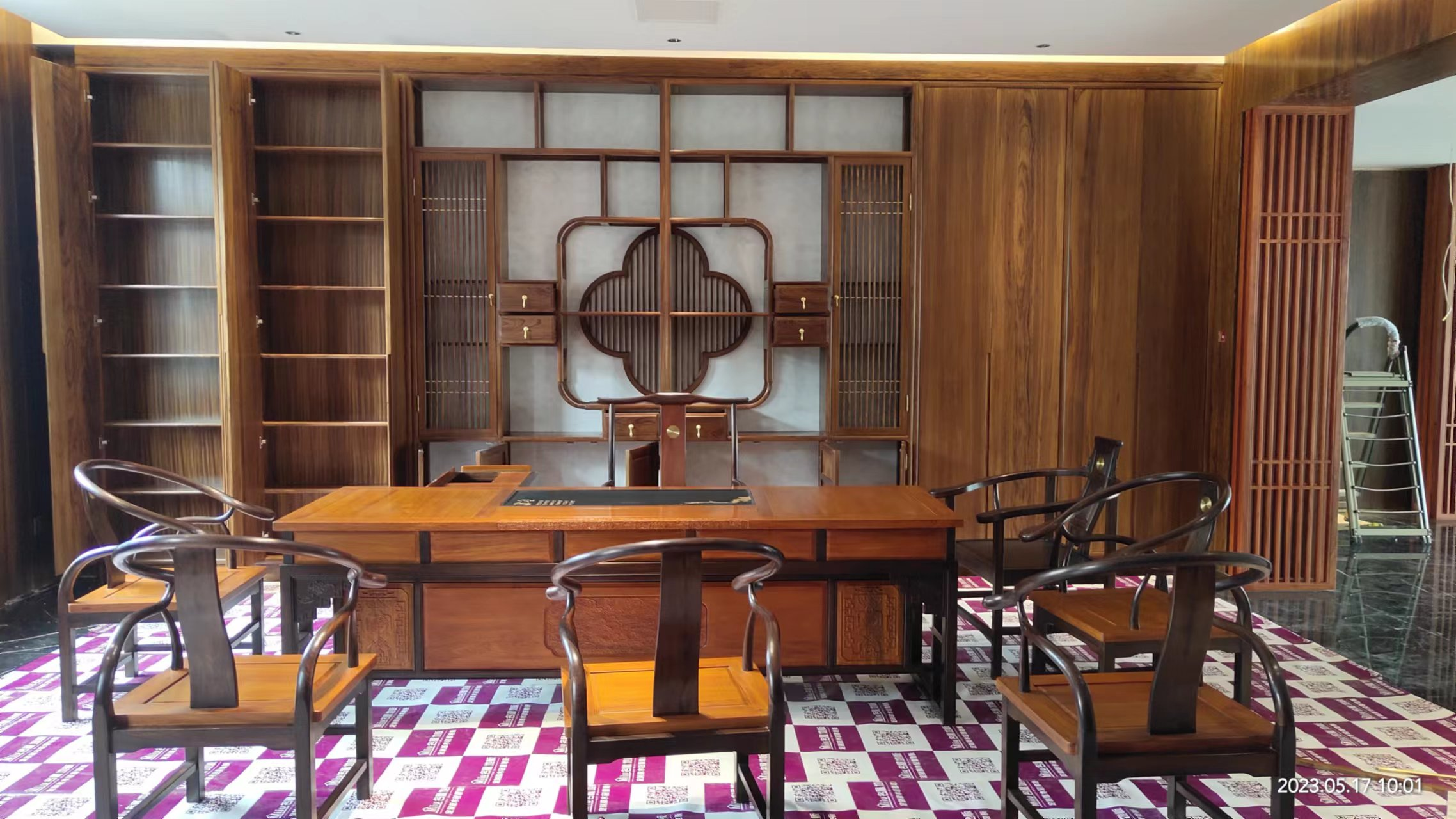
The display shelf, also known as “Dabao Ge” or “Baibao Ge”, is a distinctive display item in Chinese classical furniture. The display shelves made with pure jointed construction are the ones with the highest craftsmanship and the greatest collection and appreciation value. It goes beyond the realm of furniture and becomes a miniature building placed indoors, embodying the owner’s cultural taste and aesthetic sense.
I. Overall Charm and Cultural Connotation
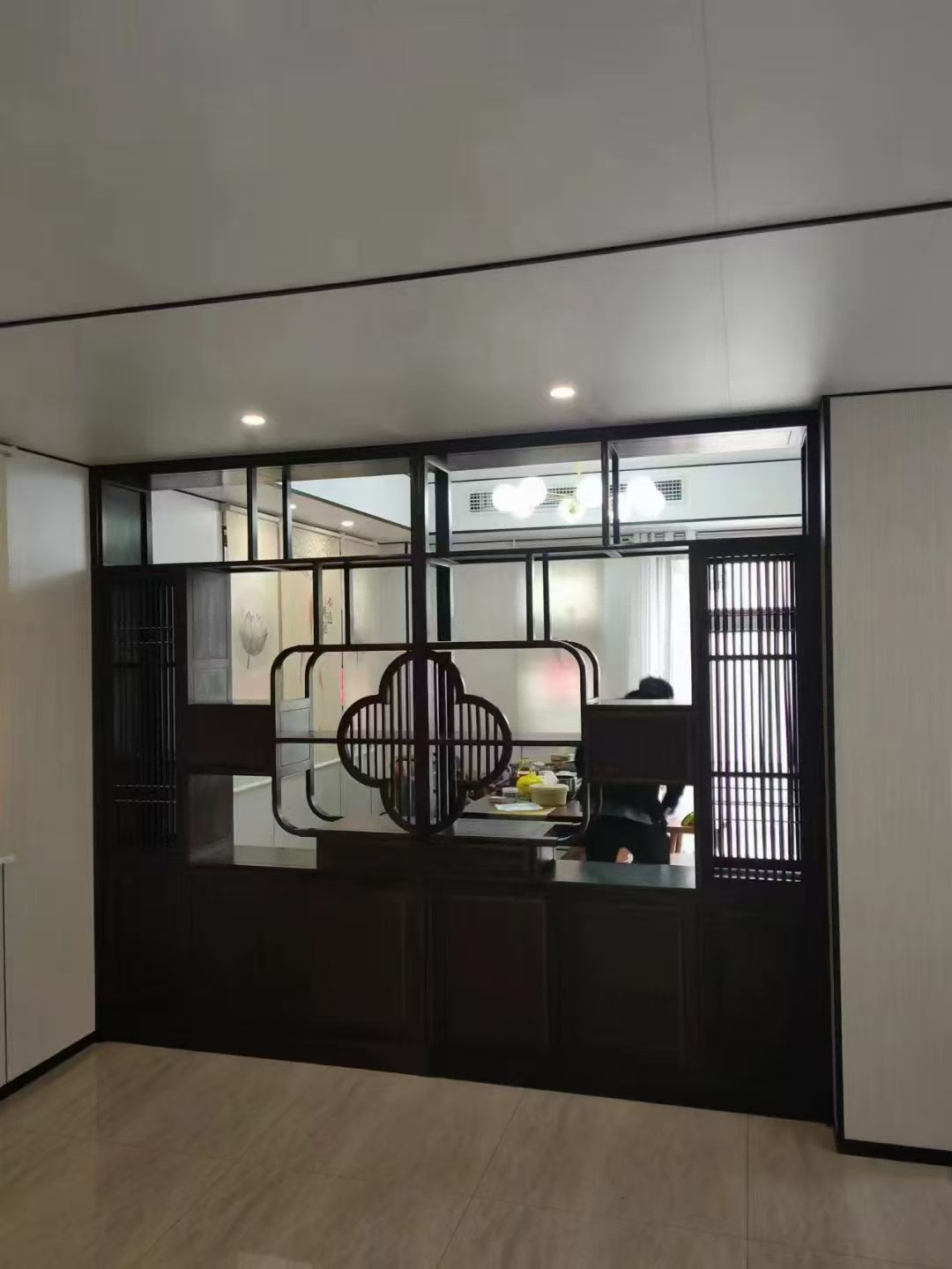
Design Philosophy: Derived from the traditional architectural wisdom and spatial aesthetics of China. The jointed structure serves as the backbone, shaping its form; the interplay of emptiness and fullness creates its meaning. It ingeniously divides and integrates space, achieving an artistic effect of “separated yet not disconnected, transparent yet not permeable”.
Cultural Implications: “Bo Gu” means “having knowledge of ancient things and objects”, symbolizing the owner’s erudition and elegance. Each shelf is not only used for displaying items, but also a “window” for showcasing personal collections, life experiences, and artistic appreciation, embodying the “philosophy of ‘smallness revealing grandeur, a short distance representing a long distance'”.
Visual Experience: Delicate and exquisite, well-arranged, stable and elegant. It is both a spatial divider and a decorative element, and its structural beauty is an irreplaceable landscape.
II. Core Craftsmanship: Jointed Structure (The Soul)
Jointed Structure: A connection method between pure wooden components through concave and convex combinations, without the need for nails or rivets.
Craftsmanship Features:
Stable and Long-lasting: Excellent jointed structure will become tighter under force, remaining firm for decades or even hundreds of years without loosening, giving the furniture an extremely long service life.
Adapting to Wood Properties: The joint nodes reserve space for the thermal expansion and contraction of wood, avoiding cracking and deformation, embodying the wisdom of “harmony between heaven and man”. There are no metal connectors visible on the surface, the overall lines are smooth, visually integrated, fully showcasing the natural beauty of the wood.
III. Detailed Design and Characteristics
1. Material Selection (The Foundation of Character): Premium Hardwood: The preferred materials are yellow rosewood, purple sandalwood, and big red rosewood, with stable wood properties, beautiful textures, and solemn colors. After polishing and patina, they are smooth and like jade.
High-quality White Wood: Elm wood, beech wood, walnut wood, etc. are also common choices, with hard texture, clear grain, high cost-performance, and better reflecting the pure beauty of the jointed structure.
2. Shape and Layout (The Beauty of Composition):
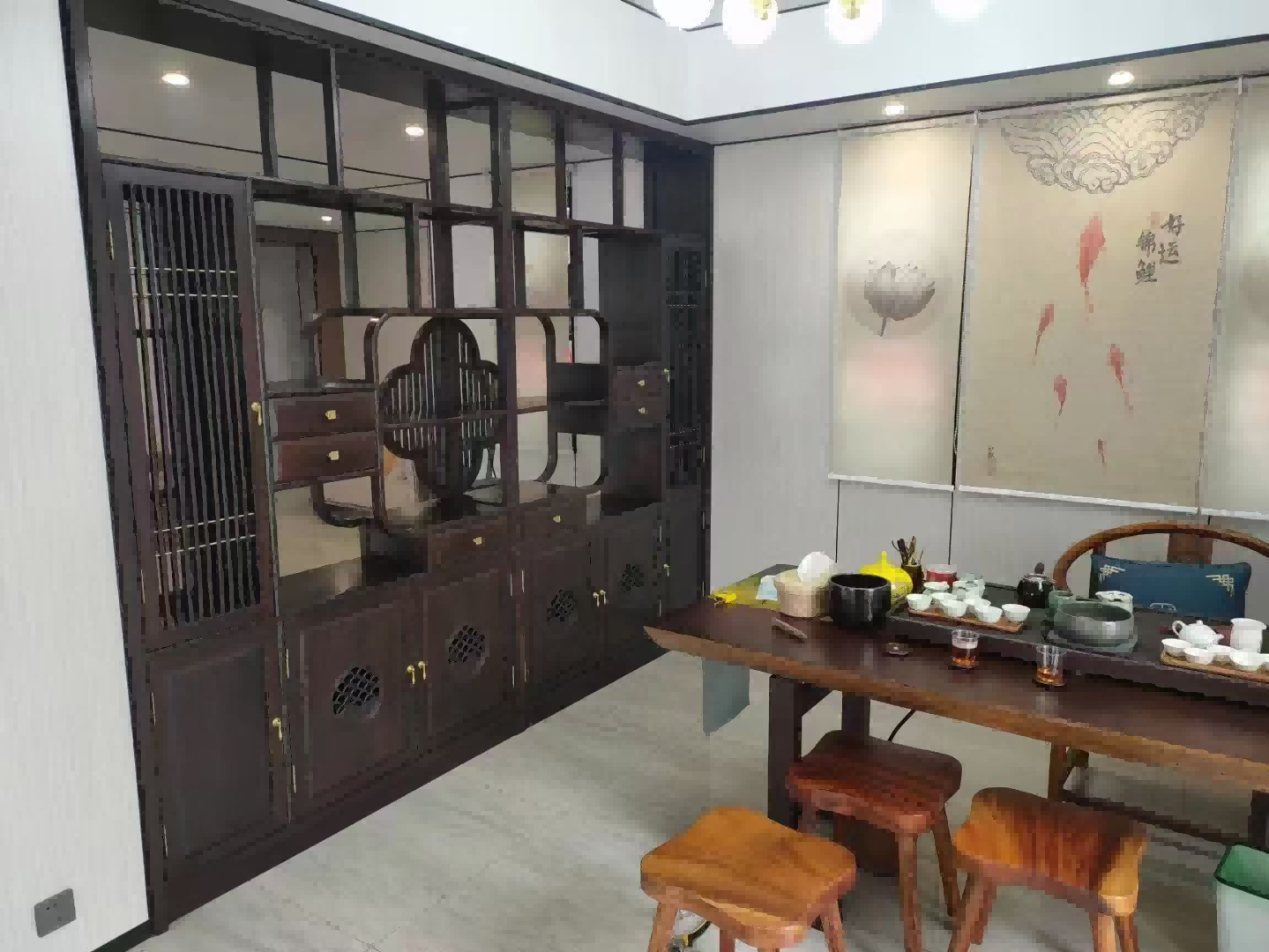
Combination of Emptiness and Fullness: Through unequal-sized and uneven-height compartments, a rhythm and harmony between the “empty” space and the “solid” wooden frame are created. Each compartment is an independent picture frame.
Asymmetrical Balance: The layout emphasizes “disorderly yet rich in variation”, avoiding absolute symmetry, pursuing a lively and dynamic balance. Common combinations include “one room of display”, composed of multiple units, with a grand momentum.
3. Functional Design:
Display: The main function is to display antiques, jade, porcelain, books, souvenirs, etc. Different-sized compartments are suitable for different-sized collections.
Space Partition: Often used between the living room and the study, or between the living room and the dining room, to divide functional areas while maintaining the transparency and continuity of the space.
Storage and Storage: Some compartments may be designed with hidden drawers or cabinet doors for storing small items that are not suitable for display, balancing practicality and aesthetics. “
Display type
评价
目前还没有评价